
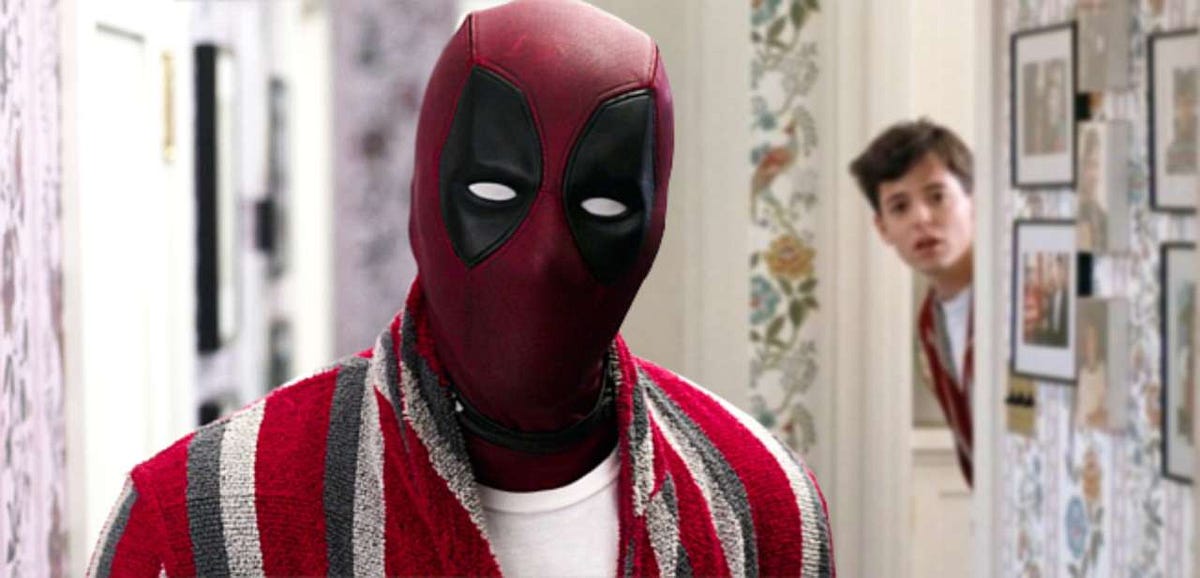
In the digital era, where every piece of content is curated and edited, the theater remains one of the few places where we experience "unfiltered" humanity. The concept of the Fourth Wall—the imaginary boundary between the actors and the audience—is a fascinating psychological construct. While film allows for a passive experience, theater demands an active "suspension of disbelief."
What makes theater truly visceral in 2026 is the lack of a "delete" button. When an actor fluffs a line or a prop fails, the tension in the room becomes palpable. This vulnerability creates an intimacy that cinema simply cannot replicate. In Brazil, companies like Teatro Oficina have historically pushed these boundaries, often "breaking" the fourth wall to involve the audience in the political and social narrative.
Furthermore, the "ensemble" nature of the stage reminds us of the power of collective effort. A production is only as strong as its weakest link, from the lead protagonist to the stagehand moving scenery in the dark. As we celebrate World Theatre Day this March 27th, we acknowledge that the stage isn't just a place for storytelling; it’s a mirror held up to society, forcing us to confront our own realities in real-time.
ACTIVITIES
Match the advanced terms to their contextual definitions:
Write in the comment section below:
In a world dominated by AI and digital filters, do you believe "live" mistakes make a performance better or worse? Support your opinion with three reasons.



0 Comentários
Comente, responda, interaja em inglês! Lembre-se: usar o inglês ativamente transforma o aprendizado <3