
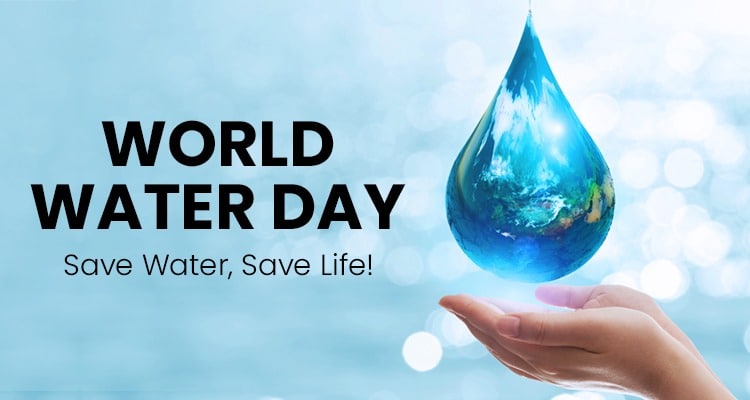
World Water Day, held annually on March 22nd, serves as a poignant reminder of the essential role water plays in human survival and environmental health. Established by the United Nations in 1993, the observance focuses on the strategic importance of freshwater and advocates for the sustainable management of freshwater resources. While developed nations often take the turn of a tap for granted, millions worldwide still lack access to "safely managed" drinking water services, a disparity that World Water Day seeks to highlight and rectify through global cooperation.
The theme for each year varies, addressing specific challenges such as climate change, wastewater, or groundwater—the invisible resource that feeds our rivers and sustains life. These themes aim to educate the public on how water connects to broader global issues like food security, gender equality, and economic productivity. For instance, in many developing regions, the burden of water collection falls disproportionately on women and children, preventing them from attending school or pursuing paid work, thereby reinforcing cycles of poverty.
As the global population grows and the climate crisis intensifies, the pressure on our limited water supplies has reached a critical tipping point. Efficient conservation strategies, such as rainwater harvesting and the restoration of wetlands, are no longer optional but necessary. World Water Day encourages individuals, tech innovators, and policymakers to rethink their relationship with water. By fostering a culture of conservation and investing in green infrastructure, we can work toward a future where clean water is a guaranteed right for everyone, not just a luxury for the few.
ACTIVITIES
Choose the correct option for each question based on the text.
Complete the sentences using words from the text.
Each sentence below contains ONE grammatical or factual error based on the text. Rewrite the sentences correctly.



0 Comentários
Comente, responda, interaja em inglês! Lembre-se: usar o inglês ativamente transforma o aprendizado <3