
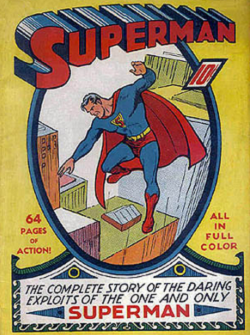
Superheroes have come a long way since Superman first appeared in Action Comics in 1938. In the beginning, these characters were simple symbols of truth and justice, fighting clear-cut villains in colorful costumes. They represented the hopes of a generation facing global conflict, providing a sense of security and a dream of being "larger than life." During this era, the distinction between good and evil was always obvious, and the hero usually won without much personal struggle or moral doubt.
As decades passed, the stories became more complex. In the 1960s, creators like Stan Lee introduced "flawed" heroes who had everyday problems, such as paying rent or dealing with family arguments. This change made characters like Spider-Man or the X-Men more relatable to the average person. We started to see that being a hero wasn't just about having physical strength, but also about making difficult moral choices and living with the consequences of those decisions.
Today, superheroes dominate our global culture through blockbuster movies and streaming series. They are no longer just for children; they explore deep themes like political corruption, mental health, and the responsibility of power. Whether it is a billionaire in a high-tech suit or a warrior from a hidden island, these characters remind us that even in a world full of challenges, an individual can still make a difference.
ACTIVITIES
Drag and drop the words to match their correct definitions.






0 Comentários
Comente, responda, interaja em inglês! Lembre-se: usar o inglês ativamente transforma o aprendizado <3